LIVE
Loading...
 ISO 9001:2015 Certified
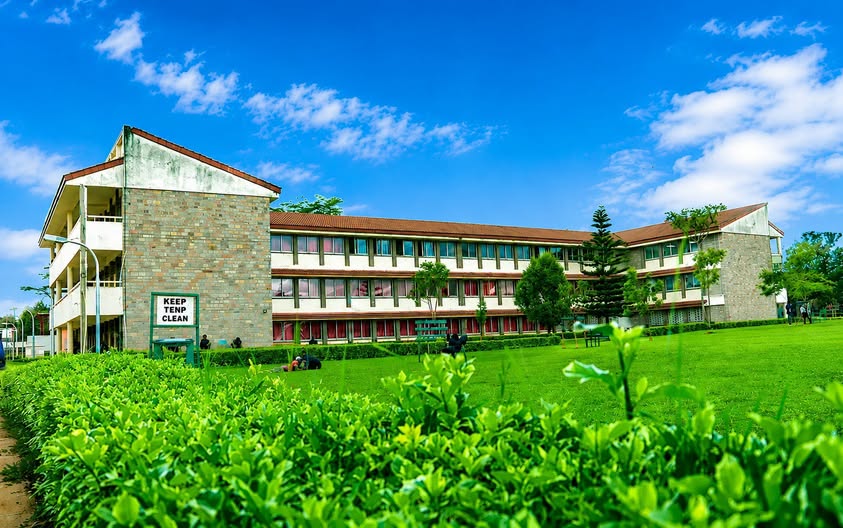



Department of Computing and Informatics
Welcome to the Department of Computing and Informatics! Our department is dedicated to providing high-quality education and training in various fields of Information and Communication Technology (ICT). With a comprehensive range of courses, we aim to equip our students with the skills and knowledge necessary to excel in today's dynamic and rapidly evolving digital landscape.
Courses Offered:
Computer Science Level 6: This advanced program delves deep into the theoretical foundations and practical applications of computer science. Students will gain expertise in programming, algorithms, data structures, artificial intelligence, and more. Graduates can pursue careers as software developers, data scientists, systems analysts, or pursue further academic research.
Library and Information Science Level 6: This program focuses on the organization, management, and retrieval of information in various formats. Students will learn about cataloging, database management, information architecture, and information ethics. Graduates can pursue careers as librarians, information architects, knowledge managers, or data analysts.
ICT Technician Level 5: This intermediate-level program provides hands-on training in IT infrastructure management, networking, cybersecurity, and technical support. Students will develop skills in troubleshooting hardware and software issues, configuring networks, and implementing security protocols. Graduates can find employment as IT technicians, network administrators, help desk support specialists, or system administrators.
Library and Information Level 5: This foundational program introduces students to the principles and practices of library and information science. Topics include collection development, reference services, information literacy, and library management. Graduates can pursue entry-level positions in libraries, archives, information centers, or continue their education in higher-level programs.
Career Paths for Graduates:
Software Development: With a strong background in computer science, graduates can pursue careers as software developers, designing and building applications, websites, and systems for various industries.
Data Science and Analytics: Graduates with skills in data analysis and interpretation can find opportunities as data scientists, extracting insights from large datasets to drive business decisions and innovation.
Information Management: Those specializing in library and information science can work as librarians, information managers, or knowledge professionals, organizing and curating information resources for accessibility and usability.
IT Infrastructure Management: Graduates trained in ICT technician programs can work in roles such as network administrators, system administrators, or cybersecurity specialists, ensuring the smooth operation and security of IT systems and networks.
Future of ICT and Emerging Trends:
The future of ICT is characterized by continuous innovation and technological advancement. Some emerging trends shaping the field include:
Artificial Intelligence (AI) and Machine Learning: AI and machine learning technologies are increasingly being integrated into various applications, from virtual assistants to autonomous vehicles, revolutionizing industries such as healthcare, finance, and manufacturing.
Internet of Things (IoT): The proliferation of IoT devices is connecting the physical world to the digital realm, creating opportunities for smart homes, cities, and industries. Graduates skilled in IoT technologies will be in high demand to develop and manage these interconnected systems.
Cybersecurity: As cyber threats become more sophisticated, the demand for cybersecurity professionals continues to rise. Graduates with expertise in cybersecurity will play a crucial role in safeguarding digital assets and protecting against cyber attacks.
Cloud Computing: Cloud computing offers scalable and flexible solutions for storage, processing, and deployment of applications and services. Graduates proficient in cloud technologies will be sought after to manage and optimize cloud infrastructure for organizations of all sizes.
Blockchain Technology: Blockchain technology has the potential to revolutionize various industries by providing secure and transparent transactional systems. Graduates knowledgeable in blockchain development and implementation can explore opportunities in finance, supply chain management, and beyond.
As a department committed to staying at the forefront of ICT education, we ensure our curriculum evolves to incorporate these emerging trends and equip our graduates with the skills and knowledge needed to thrive in the digital economy of tomorrow. Join us in shaping the future of technology
 First Time Hef Application